
CBP Used More Force In Texas As Crossings Fell To Record Lows

Artem Kolisnichenko
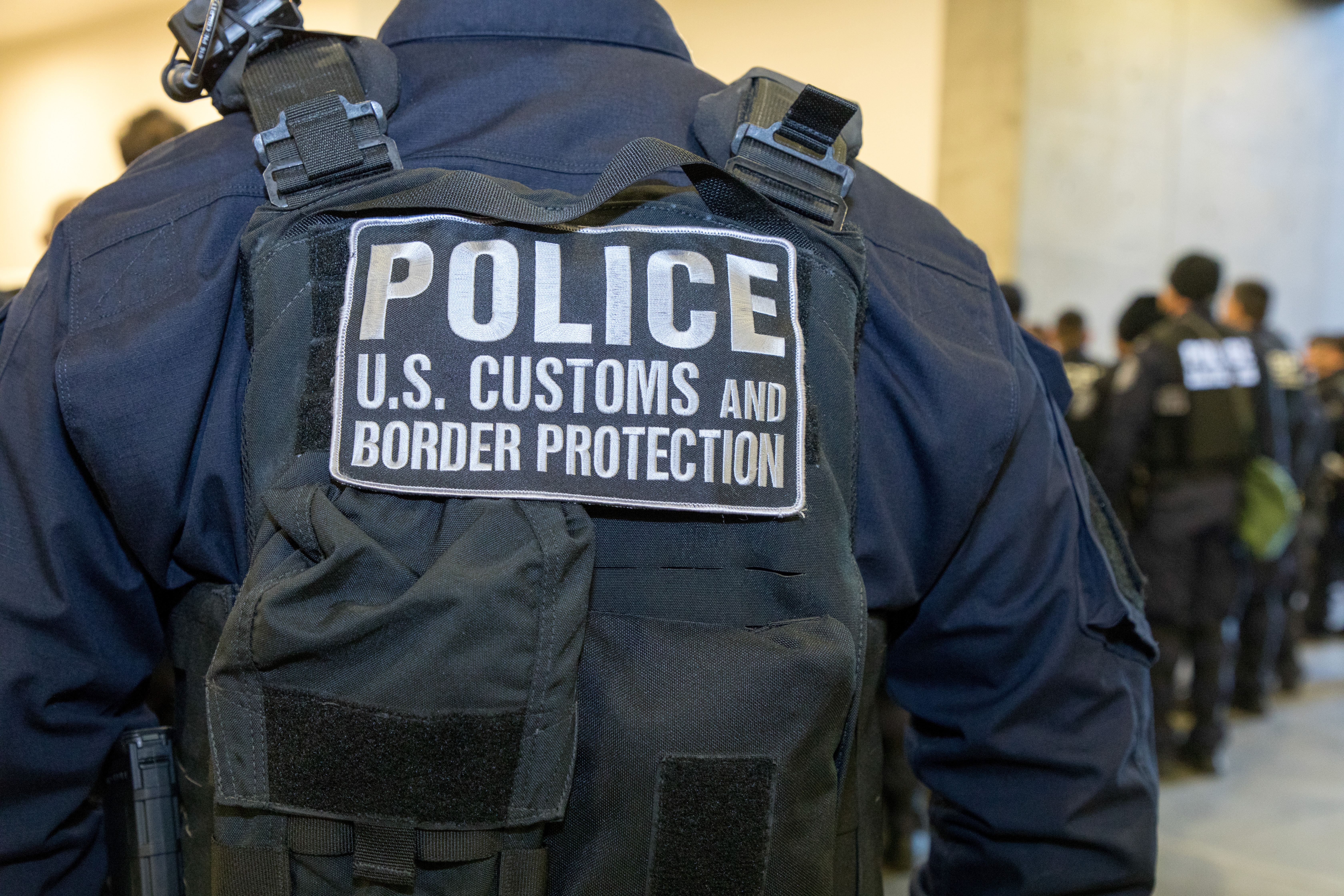
CBP used force in Texas 144 times from October 2025 through April 2026, up from 130 in the same seven months a year earlier, according to the agency's Assaults and Use of Force data. Assaults on its officers and agents held nearly flat over the same span, 81 against 78. Over the same months, Border Patrol apprehensions in the Texas sectors fell by about 70 percent, from about 112,000 in fiscal 2025 to about 34,000 in fiscal 2026. The Department of Homeland Security has reported the lowest crossing numbers on record and has said violence against agents is rising.
More force, fewer people
CBP recorded 144 use-of-force incidents involving 168 officers or agents, against 130 incidents and 165 officers a year earlier. The force spread across more separate encounters rather than larger ones. Most of that force was in the Border Patrol sectors, between the ports of entry. The Border Patrol used force there 119 times, up from 115, while its apprehensions fell from about 112,000 to about 34,000. For every 10,000 people it caught, it used force about 10 times in fiscal 2025 and about 35 times in fiscal 2026. The assaults on its agents moved the same way, from about 7 to about 20 per 10,000 apprehensions. Last fiscal year closed with the fewest Border Patrol apprehensions on the Southwest border since 1970, and the months covered here were lower.
Assaults by sector
The El Paso Sector recorded 23 assaults on agents from October through April, down from 41 a year earlier. Apprehensions in the sector fell faster, by about 77 percent, so the smaller count came against far fewer people. Per encounter, the assault rate in El Paso rose. The raw count rose elsewhere. Assaults went from 15 to 20 in the Rio Grande Valley Sector, from 6 to 11 in the Del Rio Sector, and from 3 to 6 in the Big Bend Sector. The Laredo Sector held at 9. Statewide, the total moved from 78 to 81. In every Texas sector, agents faced more assaults per encounter than a year earlier, including the sectors where the raw count fell. Assaults also rose where the Office of Field Operations works, at the ports of entry, rather than on the line between them. They went from 2 to 8 at the El Paso Field Office and from 2 to 6 at the Laredo Field Office.
How CBP used force
The mix of force changed. Less-lethal force, which covers tools such as batons and chemical munitions, became the most common type CBP recorded in Texas, ahead of vehicle-based force, which covers actions involving a vehicle or vessel. A year earlier, vehicle-based force led. Firearm use stayed rare in CBP's own actions.
The firearm cases
Subjects assaulted agents most often with physical force, then by throwing rocks and other objects. Firearms were the exception, used against agents in 4 Texas incidents over the window, double the 2 a year earlier. The largest single event came in March, when one incident spanned the Big Bend and El Paso sectors, involved a firearm, and put seven officers or agents into CBP's records as both a use of force and an assault. DHS Photo by Mani Albrecht/Released
Our contacts:
contact@texasborderexaminer.com
editor@texasborderexaminer.com
© 2026 TEXAS BORDER EXAMINER
