
DHS Waives 30+ Federal Laws to Clear 60 Miles of Border Wall in Big Bend
Artem Kolisnichenko
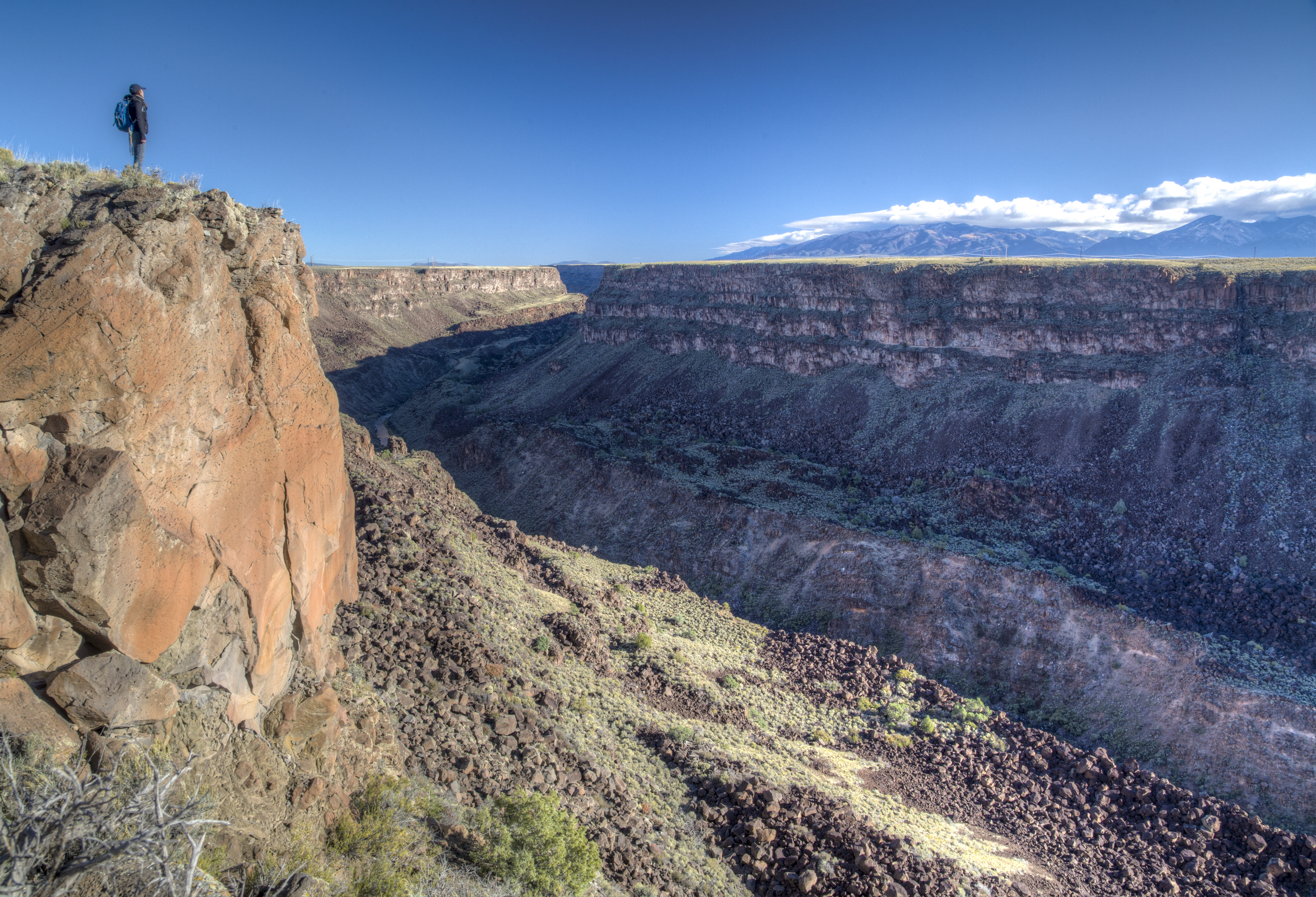
The Department of Homeland Security on May 15 waived more than 30 federal statutes to clear roughly 60 miles of the Rio Grande in the Big Bend Sector for border barrier and road construction. The waived laws include the Endangered Species Act, the Wild and Scenic Rivers Act, the Clean Water Act, the Native American Graves Protection and Repatriation Act, the Wilderness Act, the Antiquities Act, the National Park Service Organic Act, and the Administrative Procedure Act. The notice was signed by Homeland Security Secretary Markwayne Mullin under Section 102(c) of the Illegal Immigration Reform and Immigrant Responsibility Act of 1996, which lets the Secretary set aside any federal, state, or local law deemed necessary to expedite barrier construction. The project area runs along the Rio Grande from western Val Verde County westward through eastern and central Terrell County. According to the GPS coordinates listed in the notice, the segment ends east of the Terrell–Brewster county line, not inside or adjacent to it. Most of the project area falls within the federally designated Rio Grande Wild and Scenic River, including portions of the Lower Canyons section managed by the National Park Service. DHS justified the waiver by citing five years of cumulative data. The notice states that between fiscal year 2021 and fiscal year 2025, Border Patrol apprehended over 89,000 people in the Big Bend Sector and seized over 87,574 pounds of marijuana, 867 pounds of cocaine, 1,156 pounds of methamphetamine, 12 pounds of heroin, and 94 pounds of fentanyl. Mullin called the area one of "high illegal entry" with "acute and immediate need" for new barriers. The single-year context the notice did not cite: in fiscal year 2025 the Big Bend Sector recorded 3,096 apprehensions out of 237,538 across the U.S.–Mexico border, or 1.3 percent. The sector covers 517 miles, roughly a quarter of the southwest border, and is the least active of Border Patrol's nine southwest sectors.
The waiver landed in the middle of a contracting cycle. On May 11, U.S. Customs and Border Protection awarded a $1.7 billion contract listed on USAspending.gov as "for border wall in Big Bend Texas," covering a segment identified as BBT-4. It is the single largest border-wall contract awarded in Texas. CBP's own Smart Wall map labels the BBT-4 area as "Technology & Patrol Road (No Wall)," contradicting the contract's stated purpose. On May 14, CBP awarded a second contract of $4.5 million for "resource monitoring support" in a separate portion of the Big Bend region. A week earlier, on May 8, the Texas Tribune reported that CBP Commissioner Rodney Scott had told the Washington Examiner the agency would not build a wall inside Big Bend National Park. The new waiver and the $1.7 billion contract apply to the area immediately east of the park, not inside it. This is the third Big Bend–related waiver since October 2025. On October 14, 2025, Noem signed a waiver suspending federal procurement requirements for contracting across the entire Big Bend Sector. On February 17, 2026, then-Secretary Kristi Noem signed a waiver setting aside 28 federal laws to clear a 150-mile barrier from Fort Quitman in Hudspeth County to Colorado Canyon in Big Bend Ranch State Park. That waiver did not include Big Bend National Park.
Trump fired Noem on March 5. Mullin was sworn in March 24. On April 16, the Center for Biological Diversity, Friends of the Ruidosa Church, and Big Bend river guide Billy Miller, represented by the Texas Civil Rights Project, filed suit in federal court arguing the February waiver violates the major questions doctrine. The case is pending. The May 15 waiver does not revoke the February waiver. Both remain in effect.
Our contacts:
contact@texasborderexaminer.com
editor@texasborderexaminer.com
© 2026 TEXAS BORDER EXAMINER
