
CBP Officers at Texas Ports Caught 99.98 Percent of the Fentanyl Stopped on the Border in Q1
Artem Kolisnichenko
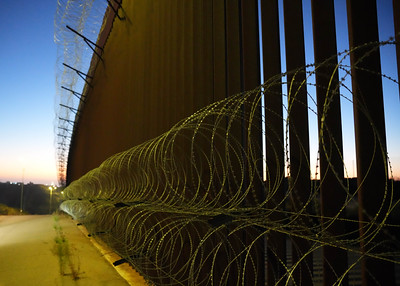
CBP officers at the legal ports of entry caught 98.69 pounds of fentanyl on the Texas border during the first three months of 2026. Border Patrol agents working the land between the ports caught 0.02 pounds across the same eight Texas-area components. The ports accounted for 99.98 percent of the total. The figures come from CBP's Nationwide Drug Seizures dataset and cover all eight CBP areas of responsibility along the Texas border. Total seizures across those components reached 32,178.83 pounds in 1,287 stops. Ports of entry accounted for 24,042.38 pounds, or 74.7 percent of the weight. The five Border Patrol sectors accounted for 8,136.45 pounds, or 25.3 percent
Methamphetamine made up the largest share of the Texas total at 18,584.92 pounds, or 57.8 percent. Of that weight, 18,385.82 pounds came through the ports. Border Patrol caught 199.10 pounds. Cocaine totaled 5,167.63 pounds, with 3,839.01 pounds at the ports and 1,328.62 pounds with Border Patrol. Heroin reached 96.99 pounds, with OFO at 61.31 and Border Patrol at 35.67. Ecstasy, ketamine, and other categories totaled 436.71 pounds, almost all at the ports. Marijuana was the only category where Border Patrol caught more weight than OFO: 6,561.82 pounds out of 7,793.88, or 84.2 percent.
Laredo Field Office posted the heaviest haul of any single component. Officers there caught 11,391.74 pounds in 255 events, or 35.4 percent of the Texas total. Methamphetamine accounted for 79.5 percent of the office's weight at 9,056.93 pounds, with cocaine adding another 18.5 percent at 2,102.99 pounds. Houston Field Office came in second at 8,892.95 pounds in 191 events. Methamphetamine drove almost the entire Houston total, reaching 96.7 percent of the office's seizures at 8,598.03 pounds.
El Paso Field Office accounted for the bulk of the Texas fentanyl total. The office caught 84.85 of the 98.71 fentanyl pounds for the quarter, or 85.9 percent. The office's overall haul reached 3,757.69 pounds in 254 events, with cocaine leading at 1,732.97 pounds, marijuana at 1,027.42 pounds, and methamphetamine at 730.86 pounds. On February 28, CBP officers at the Paso del Norte crossing pulled over a Mexican-plated pickup truck and found 122 bundles inside it: 14.86 kilograms of fentanyl, 122.84 kilograms of cocaine, and 1.84 kilograms of methamphetamine. The fentanyl alone weighed 32.76 pounds, an unusually large single seizure for the quarter.
Border Patrol's footprint in Texas runs heavier on marijuana and lighter on hard drugs. Big Bend Sector logged the most events of any component, 327, but ranked third by weight at 4,275.83 pounds. Marijuana accounted for 94.6 percent of the sector's total at 4,046.77 pounds. Rio Grande Valley Sector caught 2,469.38 pounds in 132 events, with marijuana at 81.7 percent (2,017.17 pounds) and cocaine at 16.9 percent (418.31 pounds). El Paso Sector caught 1,248.11 pounds in 31 events, split between cocaine at 60.3 percent and marijuana at 39.4 percent. The El Paso Sector covers West Texas and the entire state of New Mexico, so its numbers are not Texas-only. Laredo Sector caught 129.92 pounds in 46 events, almost entirely cocaine. Del Rio Sector caught 13.21 pounds in 51 events. OFO and Border Patrol logged similar numbers of stops in the quarter. OFO recorded 700, or 54.4 percent of all stops along the Texas border. Border Patrol recorded 587, or 45.6 percent. The averages diverge sharply. OFO averaged 34.35 pounds per stop. Border Patrol averaged 13.86 pounds. The gap reflects the kind of loads each component intercepts. Seizure totals do not capture how much fentanyl crossed the border, only how much CBP intercepted. CBP itself notes that final figures are subject to revision after additional review. Even with that caveat, the Q1 2026 record establishes where CBP officers actually caught drugs in Texas. Of every thousand pounds of fentanyl stopped on the Texas border in the first quarter, 999.8 came through a legal port of entry.
Our contacts:
contact@texasborderexaminer.com
editor@texasborderexaminer.com
© 2026 TEXAS BORDER EXAMINER
